Strength Training for Bariatric Runners: Why Strong Runners Last Longer
Running after bariatric surgery is often framed as a cardiovascular goal: logging miles, improving endurance, and building consistency. But for bariatric runners who want longevity, injury prevention, and confidence, strength training is not optional.
It’s foundational.

Why Running Alone Isn’t Enough After Bariatric Surgery
Running is a repetitive, high-impact activity. While it improves aerobic fitness, it does not fully support joint stability, muscle balance, or long-term durability — especially in bodies that have experienced rapid weight change.
After bariatric surgery, runners often experience:
- shifts in joint alignment
- muscle mass loss during weight reduction
- increased recovery demands
- greater need for structural support
Strength training fills the gaps that running leaves behind.
What Strength Training Does for Bariatric Runners
Strength training for runners after bariatric surgery helps:
- stabilize hips, knees, and ankles
- improve impact absorption
- reduce overuse injury risk
- improve running efficiency
- protect lean muscle mass
This isn’t about aesthetics or bodybuilding.
It’s about building a body that can handle running long-term.

How Much Strength Training Do Runners Need?
You don’t need a complicated program.
Most bariatric runners benefit from:
- 2 full-body strength sessions per week
- 20–40 minutes per session
- compound movements over isolation
Focus areas:
- glutes and hamstrings
- quads and calves
- core stability
- upper-back strength
Consistency matters more than intensity.
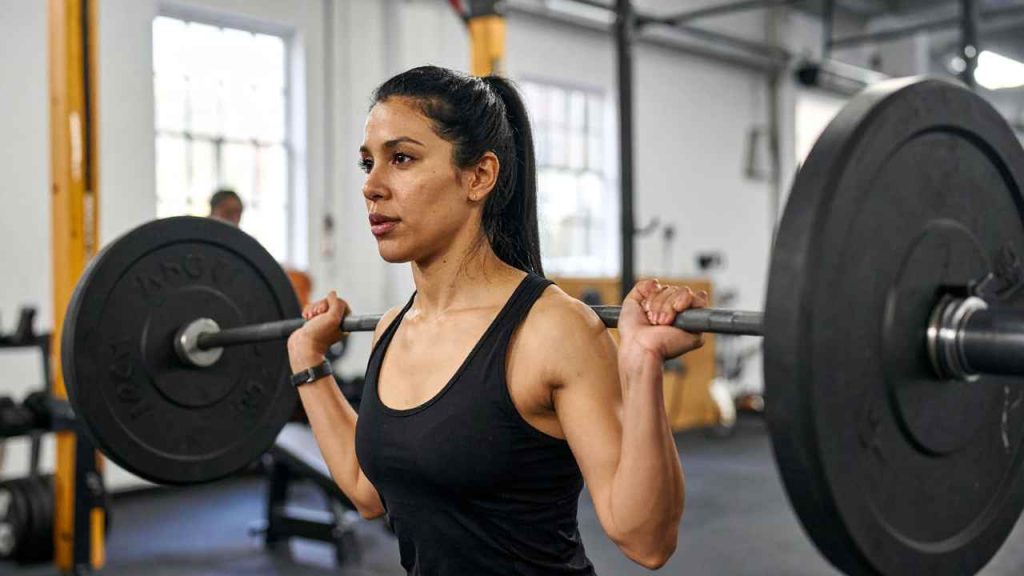
Strength Training Is How Runners Keep Running
Most runners don’t stop because they lose motivation.
They stop because their bodies can’t tolerate the stress anymore.
Strength training is what keeps runners in the game, especially after bariatric surgery.
Strong runners last longer.
Happy Running!
-Bariatric Runner Mom